What your resting heart rate reveals about recovery
Among all the metrics your wearable spits out, resting heart rate (RHR) is one of the oldest and most reliable. It's been used in sports science for decades — long before HRV became mainstream.
And unlike HRV, which can be noisy and hard to interpret, RHR trends are straightforward: lower is generally better, and sudden increases are almost always a red flag.
YouTube: Related video
What's a "good" resting heart rate?
For most adults, a normal RHR is 60–100 bpm. But that range is too broad to be useful for fitness-minded people.
- Active individuals: 50–70 bpm
- Well-trained athletes: 40–60 bpm
- Elite endurance athletes: 35–50 bpm
But the absolute number matters less than your personal trend. A RHR of 65 that's been 65 for years is perfectly healthy. A RHR that jumps from 52 to 65 over a few days is a warning sign — even though both numbers are "normal."
RHR as a recovery signal
Your heart beats to deliver oxygen and nutrients and to remove waste products. When your body is under stress — from training, illness, poor sleep, alcohol, or mental stress — your heart works harder at rest.
A higher-than-usual RHR can signal:
- Incomplete recovery from yesterday's workout
- Oncoming illness — RHR often rises 24–48 hours before symptoms appear
- Poor sleep quality the night before
- Dehydration — blood volume drops, heart compensates
- Alcohol consumption — even one drink can elevate RHR for 24+ hours
A lower-than-usual RHR is generally a good sign — it means your cardiovascular system is efficient and your body is not under acute stress. But an unusually low RHR combined with fatigue can signal overtraining.
RHR vs HRV: which should you track?
Both. They tell different stories:
| Metric | What it measures | Best for |
|---|---|---|
| Resting HR | Overall cardiovascular load | Detecting stress, illness, poor recovery |
| HRV | Nervous system balance | Readiness for high-intensity training |
RHR is the broad signal — it tells you "something's off." HRV is the fine signal — it tells you whether your nervous system is primed for performance or recovery.
If RHR is up AND HRV is down, take it easy. If RHR is normal but HRV is down, you might still be fine for moderate training.
How to track RHR correctly
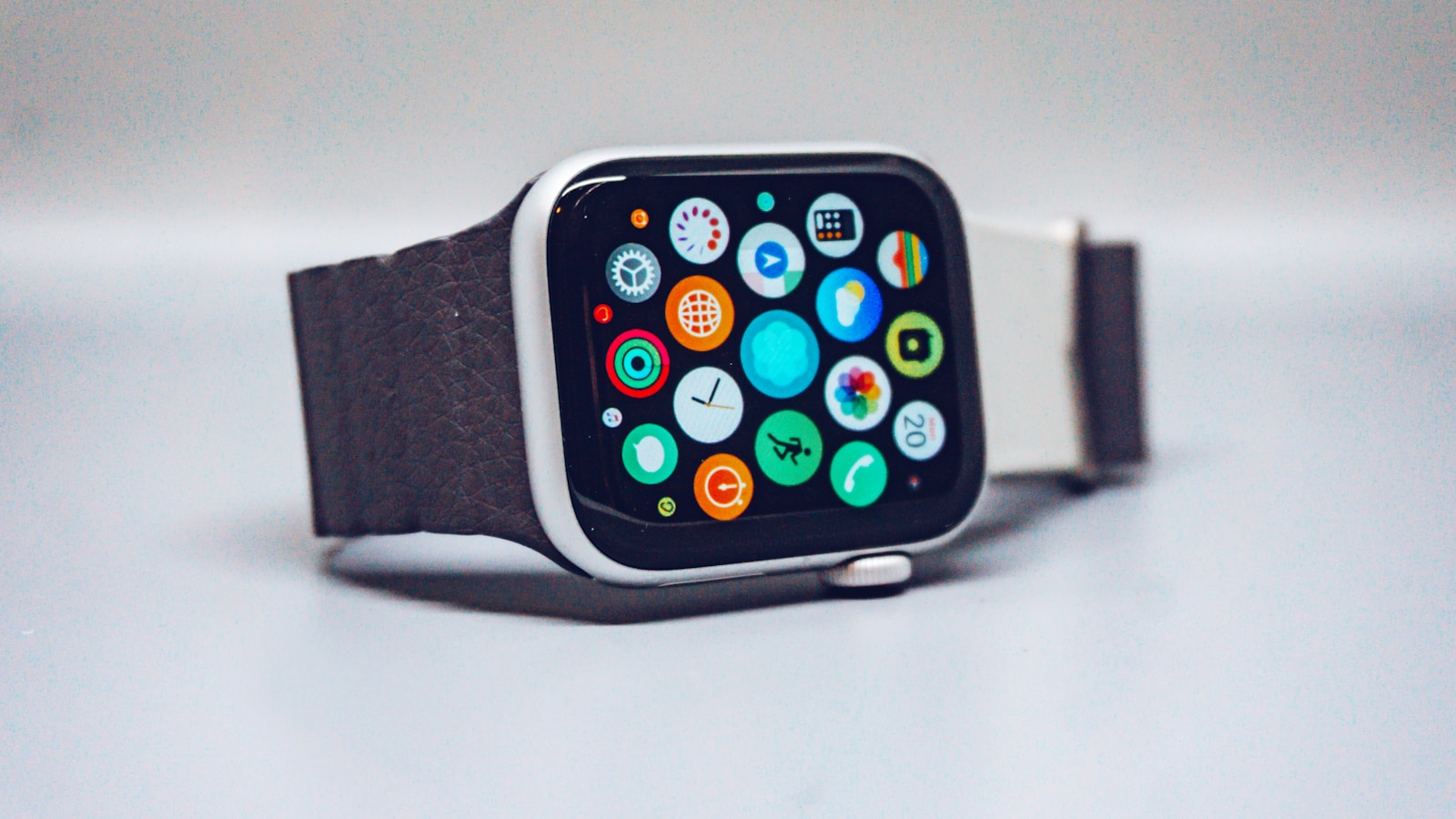
Measure at the same time daily. Apple Watch measures RHR automatically during periods of stillness, but the most useful reading is the one taken right after waking — before you get out of bed.
Look at trends, not single days. One elevated day doesn't mean much. Three days in a row? Something's up.
Context matters. A higher RHR during a deload week is more concerning than a higher RHR during a heavy training block. Your wearable tracks your baseline — compare against that, not against population averages.
What Century does with your RHR
Century pulls your resting heart rate alongside HRV, sleep, and training load to build your daily recovery score. RHR acts as a reliability check: if HRV suggests you're recovered but your RHR is trending up, Century flags the discrepancy.
The goal isn't more data — it's one clear signal: "Train hard today" or "Take it easy."
Quick summary
- Resting heart rate is a straightforward, reliable recovery signal
- Track your personal trend, not absolute numbers
- Elevated RHR can mean stress, illness, poor sleep, or dehydration
- Use RHR alongside HRV — they complement each other
- Apple Watch measures RHR automatically — just wear it consistently
Century AI combines your RHR, HRV, sleep, and training data into a daily health score and personalized recovery plan. Download Century.