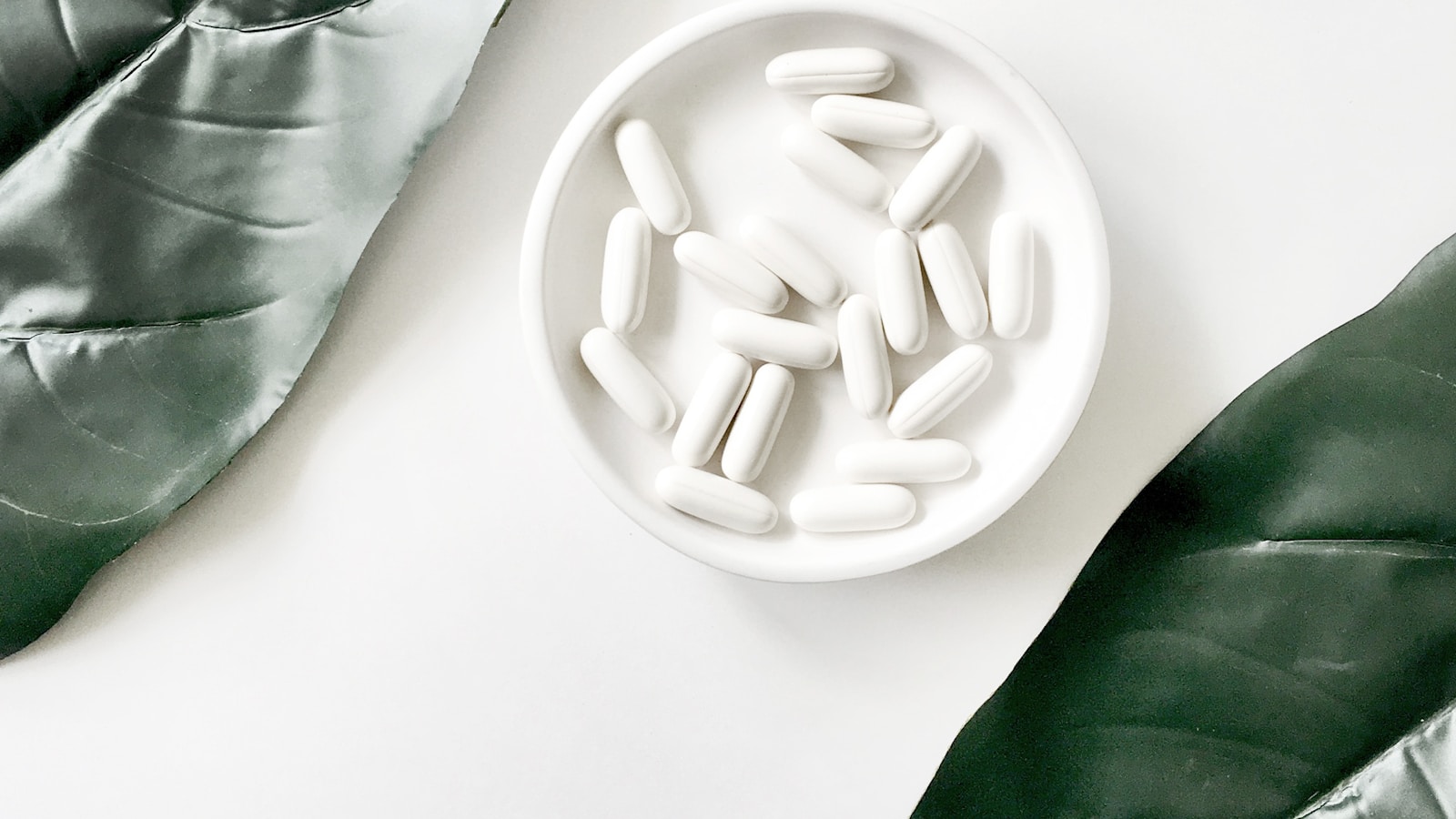
Magnesium for Sleep and Recovery: What the Science Actually Says
Magnesium has become the go-to supplement for better sleep. Scroll through any wellness forum and you'll find glowing testimonials — deeper sleep, faster recovery, lower resting heart rate. But separating the evidence from the hype matters, especially when you're deciding whether to add something to your daily routine.
The science is actually quite interesting. Magnesium plays a genuine role in sleep regulation and recovery — but the form you take, the dose, and your existing magnesium status all matter more than the marketing suggests.
Here's what the research shows, which forms actually work, and how to measure whether it's making a difference for you.
YouTube: Related video
Why magnesium matters for sleep
Magnesium is involved in over 300 enzymatic reactions in your body, and several of them are directly relevant to sleep and recovery. It acts as a natural NMDA receptor antagonist — meaning it helps calm excitatory signaling in the brain. It also supports GABA activity, your brain's primary inhibitory neurotransmitter that promotes relaxation and sleep onset.
In simpler terms: magnesium helps your nervous system shift from "alert and active" to "calm and resting." That transition is what makes falling asleep and staying asleep possible.
Magnesium also regulates melatonin production and influences the HPA axis — the system that controls your stress response. When magnesium levels are low, cortisol can rise unchecked, making it harder to wind down at night. This is why magnesium deficiency and poor sleep often go hand in hand.
What the clinical research shows
The most compelling recent evidence comes from a 2024 randomized, double-blind, placebo-controlled crossover trial published in Medical Research Archives. Researchers gave 400 mg of magnesium bisglycinate to adults with poor sleep quality and tracked their sleep using wearable devices — including Oura Rings and Apple Watches.
The results showed significant improvements across multiple metrics. People in the magnesium group got more deep sleep, had higher sleep efficiency, and reported better subjective sleep quality compared to the placebo group. Their resting heart rate was slightly lower, and their HRV trended higher — both signs of improved recovery.
A separate 2025 randomized controlled trial published in PMC with 153 participants found that magnesium bisglycinate significantly reduced insomnia symptoms over four weeks, though the effect size was modest. The researchers noted that people with lower baseline magnesium levels saw the biggest improvements — which makes sense. Supplementing helps most when you're actually deficient.
Older research tells a similar story. A 2012 study in the Journal of Research in Medical Sciences found that 500 mg of magnesium taken daily for eight weeks improved sleep efficiency and sleep time in elderly adults with insomnia. A 2017 review concluded that magnesium supplementation "appears to improve subjective measures of insomnia" across multiple studies, though they noted the evidence was still limited.
The takeaway: magnesium isn't a miracle cure, but the evidence consistently points toward modest, real improvements — especially if you're not getting enough from your diet.
Which form of magnesium actually works for sleep?
This is where it gets important. Not all magnesium is the same. Different forms have different absorption rates and different effects on the body.
Magnesium bisglycinate is the form most strongly linked to sleep benefits. It's magnesium bound to glycine — an amino acid that has its own calming effects on the nervous system. Glycine lowers core body temperature (which aids sleep onset) and acts as an inhibitory neurotransmitter. The combination of magnesium and glycine makes bisglycinate particularly effective for sleep — and it's also one of the best-absorbed forms with minimal digestive side effects.
Magnesium citrate is well-absorbed but more likely to cause digestive upset. It's better known as a laxative than a sleep aid. If you're taking magnesium specifically for sleep, citrate is not the best choice.
Magnesium oxide is the cheapest and most common form in drugstore supplements. It's poorly absorbed — only about 4% makes it into your bloodstream. Most of it stays in your gut, which is why it's primarily used as a laxative. Despite being the most widely available form, it's arguably the worst choice for sleep or recovery benefits.
Magnesium L-threonate is a newer form that crosses the blood-brain barrier more effectively than other types. It was developed specifically for cognitive benefits and shows promise for brain health. It's less studied for sleep, though its ability to raise brain magnesium levels makes it theoretically useful for relaxation. The downside: it's expensive.
Magnesium malate is well-absorbed and less likely to cause digestive issues. Some people find it helpful for muscle recovery and energy production. It's a solid general-purpose option but less specifically studied for sleep than bisglycinate.
The bottom line: if sleep is your primary goal, magnesium bisglycinate is the form with the strongest evidence. It's well-absorbed, gentle on the stomach, and combines magnesium with glycine for a synergistic calming effect.
How to dose it
Most sleep studies use doses between 250–500 mg of elemental magnesium per day. The key phrase here is "elemental magnesium" — the actual amount of magnesium in the supplement, not the total weight of the compound.
A typical magnesium bisglycinate capsule might contain 500 mg of magnesium bisglycinate, but only about 100 mg of that is elemental magnesium. Check the label to understand what you're actually getting.
Start low — around 200 mg of elemental magnesium taken 30–60 minutes before bed — and increase gradually if needed. Taking too much too quickly can cause digestive issues even with well-tolerated forms.
One practical note: magnesium competes with calcium for absorption. If you take a calcium supplement, space them out by at least two hours.
How to tell if it's working using your wearable
This is where Century AI and your Apple Watch or Garmin become genuinely useful. Instead of guessing whether magnesium is helping, you can track objective data.
Here's what to watch for:
- Deep sleep minutes: This is the metric most likely to show improvement. If your deep sleep average increases by 10–15 minutes per night after starting magnesium, that's consistent with what clinical studies found.
- Resting heart rate: Magnesium has a mild vasodilatory effect that can lower resting heart rate by 2–4 bpm. Look at your weekly average, not night-to-night.
- Heart rate variability (HRV): Higher HRV during sleep indicates better parasympathetic (rest-and-digest) activity. Several studies have found magnesium increases HRV. This is a meaningful recovery signal.
- Sleep efficiency: The percentage of time in bed actually spent asleep. Improvements here suggest less nighttime restlessness.
- Subjective sleep quality: How you feel matters too. Track whether you wake up feeling more refreshed over a two-week period.
Give it two to three weeks before drawing conclusions. Magnesium's effects on sleep tend to build gradually rather than working like a pharmaceutical sleep aid. Take a baseline week first — track your metrics without magnesium — then start supplementing and compare.
Who benefits most?
Magnesium isn't equally helpful for everyone. The people most likely to see real improvements fall into a few categories:
- Athletes and heavy exercisers: Magnesium is lost through sweat. Endurance athletes and people doing intense training multiple times per week often have higher magnesium requirements.
- People under chronic stress: Stress depletes magnesium, and magnesium deficiency makes you more susceptible to stress — a vicious cycle that supplementation can help break.
- Older adults: Magnesium absorption decreases with age, and dietary intake often drops too. Older adults are one of the most studied groups for magnesium and sleep benefits.
- People who don't eat many leafy greens, nuts, or seeds: Magnesium-rich foods include spinach, almonds, pumpkin seeds, black beans, and dark chocolate. If your diet is light on these, you might be running low.
- Anyone with digestive disorders: Conditions like Crohn's, celiac disease, and chronic diarrhea can impair magnesium absorption.
If you fall into multiple of these categories, magnesium supplementation is likely to produce noticeable benefits — and your wearable data will probably show it.
Does it beat melatonin?
Melatonin is the most popular sleep supplement, so the comparison is worth making. Melatonin helps you fall asleep — it's a sleep onset signal, not a sleep quality enhancer. It tells your brain it's bedtime, but it doesn't necessarily improve the quality of the sleep you get.
Magnesium works differently. It supports the physiological conditions that allow deep, restorative sleep to happen. It calms the nervous system, reduces cortisol, and supports GABA activity — all of which contribute to better sleep architecture, not just faster sleep onset.
Many people find that combining a low dose of melatonin (0.5–1 mg) with magnesium bisglycinate works better than either alone. The melatonin helps you fall asleep. The magnesium helps you stay asleep and spend more time in deep sleep. But if you had to pick just one for long-term sleep quality improvement, magnesium is probably the better bet.
The real-world bottom line
Magnesium isn't a sleeping pill. It's not going to knock you out. What it does — when you're taking the right form at the right dose — is create the conditions for better quality sleep. Lower cortisol. Calmer nervous system. More time in deep sleep. Better HRV.
Is it worth trying? If you're not eating magnesium-rich foods daily, you exercise regularly, or you're under chronic stress, the evidence says yes — there's a decent chance you'll see measurable improvements. Give it a few weeks, track your wearable data, and let the numbers tell you whether it's working for your body.
Century AI helps you understand your body with a daily health score, recovery score, and sleep insights — using the watch you already wear.