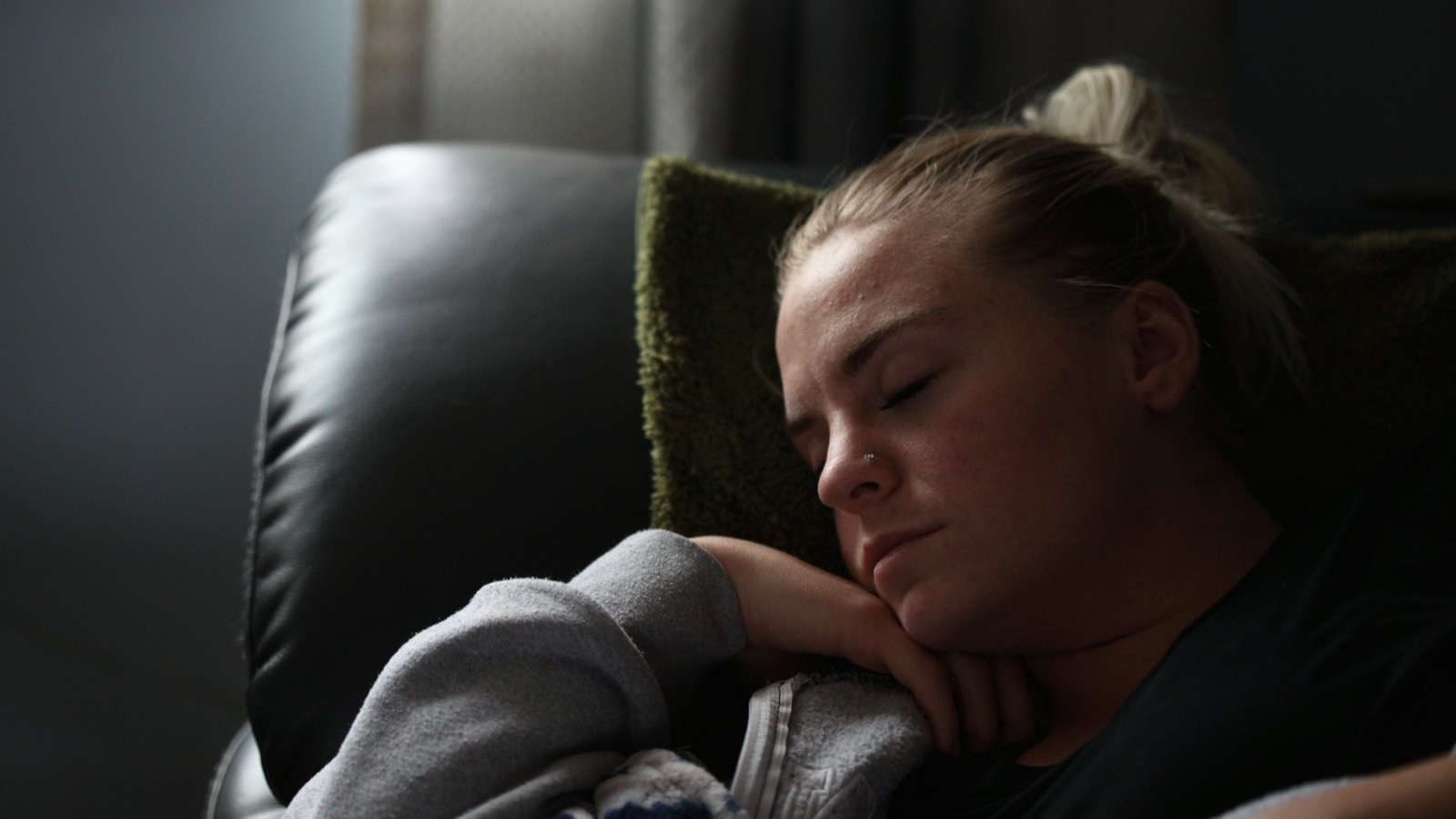
6 Signs Your Wearable Is Telling You to Take a Rest Day
Most people wait until they feel run down to take a rest day. By then, it's already too late. The fatigue you can feel — sore muscles, low motivation, brain fog — is the tail end of a process that started days earlier. Your wearable saw it coming. You just weren't looking at the right signals.
Wearables don't have great judgment about when you should train hard and when you should recover. But they are excellent at trend detection. When several metrics move in the same direction at the same time, your body is sending a clear message. Learning to read those patterns is the difference between training smart and grinding yourself into the ground.
Here are six wearable signals that mean it's time for a rest day — and the science behind each one.
YouTube: Related video
1. HRV drops below your personal baseline (and stays there)
Heart rate variability is your most honest recovery metric. It reflects how well your autonomic nervous system is balancing stress and recovery. A single low HRV reading isn't cause for alarm — alcohol, a late meal, or poor sleep can all temporarily suppress it.
But when your HRV stays below your personal baseline for two or more days in a row, that's different. It means your nervous system is stuck in a sympathetic-dominant state — your body is mounting a stress response and not coming back down.
Research published in the International Journal of Sports Physiology and Performance has shown that a sustained HRV drop of more than 10–15% below an athlete's 7-day rolling average reliably predicts reduced performance and increased perceived effort during training. In other words, your body is telling you that whatever you do today will feel harder and produce less benefit than it should.
What to do: Take a full rest day or swap your planned workout for a light walk, stretching, or mobility work. Re-check your HRV the next morning. If it rebounds, you're good. If it doesn't, extend the recovery.
2. Resting heart rate is elevated for multiple days
Your resting heart rate is remarkably stable when you're well-recovered. Most people's RHR varies by only 2–4 beats per minute from day to day under normal conditions. An elevation of 5–10 bpm above your baseline — especially when it persists for several days — is a red flag.
An elevated RHR means your cardiovascular system is working harder at rest. Common causes include accumulated training fatigue, fighting off a low-grade infection, dehydration, or psychological stress. The mechanism involves increased sympathetic nervous system activity and circulating stress hormones like cortisol and adrenaline, both of which raise heart rate.
A 2023 study in the European Journal of Applied Physiology tracked athletes through a high-volume training block and found that resting heart rate increased by an average of 8 bpm before overt symptoms of overreaching appeared. By the time the athletes felt fatigued, their RHR had already been elevated for three to four days.
What to do: If your RHR is elevated by 5+ bpm for two consecutive mornings, treat it as a rest day signal. Hydrate aggressively, prioritize sleep, and skip anything more intense than a casual walk.
3. Sleep quality tanks — especially deep sleep
Training hard places recovery demands on your body that are largely met during deep sleep. This is when growth hormone is released, tissue repair accelerates, and your nervous system downshifts into recovery mode. If your training load is high but your deep sleep is declining, you're borrowing recovery you can't afford.
Most wearables estimate sleep stages using heart rate and movement patterns. While the absolute accuracy of these estimates varies, the trends are useful. If you typically get 90 minutes of deep sleep and suddenly you're getting 45 minutes — while your training volume stays the same or increases — something is off.
Research shows that overtraining syndrome is associated with significant disruptions in sleep architecture, including reduced slow-wave sleep, more frequent awakenings, and increased light sleep. Athletes in an overtrained state often report that they feel exhausted but can't sleep deeply — a cruel physiological paradox driven by chronically elevated cortisol.
What to do: If your deep sleep has dropped by 30% or more from your baseline for 2–3 nights, prioritize a rest day. Skip the alarm clock if your schedule allows — sleeping until you wake naturally can be more restorative than any recovery protocol.
4. Training readiness or recovery scores are in the red
Most wearable platforms now generate a daily readiness or recovery score — Garmin has Body Battery and Training Readiness, Whoop has Recovery, Oura has Readiness, and Apple Watch users can get similar insights through apps like Century AI, Athlytic, or Training Today.
These scores are composite metrics, typically combining HRV, resting heart rate, sleep, and recent training load into a single number. A low score on any single morning might be noise. But when your readiness score stays below 50% (or whatever your platform's "red zone" is) for two or more days, it's a reliable indicator that your body hasn't recovered from previous training.
A 2024 validation study in Sports Medicine compared subjective readiness scores against objective performance tests in endurance athletes. The finding: athletes who trained despite a low readiness score showed a 5–8% drop in power output and reported significantly higher RPE (rating of perceived exertion) compared to days when readiness was high. They trained harder to get less done.
What to do: Trust the trend. One red day might mean you slept poorly. Three red days means your body needs a break.
5. Heart rate during easy efforts is higher than normal
This is one of the clearest signals that nobody talks about enough. If you're doing your usual easy run, walk, or bike ride and your heart rate is 10–15 bpm higher than normal at the same pace, your body is working harder to produce the same output. That's cardiovascular fatigue.
This phenomenon — called heart rate drift or cardiovascular drift — happens normally during long endurance sessions. But when it appears early in an easy effort, or at intensities that normally feel comfortable, it's a sign of incomplete recovery. Your heart is compensating for depleted glycogen stores, elevated core temperature, and reduced plasma volume — all consequences of accumulated training stress.
Your wearable makes this easy to spot. If you use an Apple Watch or Garmin, glance at your heart rate during the first 10 minutes of an easy session. If it's clearly above where it normally sits for that effort level, treat the session as a recovery day instead of pushing through.
What to do: Convert the planned workout into an active recovery session — keep your heart rate strictly in Zone 1 (under 60% of max). Or call it entirely and walk instead.
6. You're feeling irritable, unmotivated, or flat
This one straddles the line between subjective and objective, but it shows up in wearable data indirectly. When your HRV is suppressed and your RHR is elevated, your mood almost always follows. Irritability, lack of motivation, and a general feeling of flatness are well-documented symptoms of functional overreaching.
A systematic review published in the British Journal of Sports Medicine identified mood disturbance — particularly increased tension, anger, and fatigue — as one of the most consistent early markers of overtraining. Notably, mood changes often appeared before measurable performance declines.
Your wearable won't directly tell you that you're grumpy. But if you notice you're snapping at people and your HRV is in the gutter, connect the dots. The physiology and the psychology are linked — chronic sympathetic activation doesn't just affect your heart. It affects your brain.
What to do: Take the rest day. And don't just sit on the couch doom-scrolling — do something genuinely restorative. Read a book. Take a long walk without your phone. Cook a good meal. Call a friend. Recovery isn't just the absence of training. It's an active process.
When one rest day isn't enough: the case for deload weeks
If you're seeing several of these signals simultaneously — low HRV, elevated RHR, poor sleep, high exertion heart rate — for more than 4–5 days, you may be past the point where a single rest day solves the problem. That's when a deload week makes sense.
A deload is a planned period of reduced training volume and intensity, typically lasting 5–7 days. The goal isn't to stop moving entirely — it's to drop the training stress low enough that your body can fully catch up on recovery.
Research consistently shows that strategic deload weeks prevent overtraining, reduce injury risk, and improve long-term performance gains. Athletes who periodize their training with regular deloads outperform those who try to go hard year-round. Your fitness doesn't disappear in a week — but accumulated fatigue that you never clear will absolutely cap your progress.
During a deload week, cut your training volume by 40–60% and keep intensity low. Walk, stretch, do light mobility work. Watch your HRV climb and your resting heart rate drop over the course of the week. When those numbers normalize, you'll know you're ready to build again.
Learning to listen before your body shouts
The whole point of wearing a health tracker is to catch patterns you'd otherwise miss. Rest days are the perfect example. By the time your legs feel heavy and your motivation is gone, you've already dug a recovery hole that takes days to climb out of.
The wearables give you an early warning system. HRV dips first. Then resting heart rate creeps up. Sleep fragments. Heart rate at easy effort rises. It's a cascade — and if you intervene at the first or second signal, a single rest day is often all you need.
The hard part isn't the physiology. It's the psychology. Taking a rest day when you don't "feel" tired yet requires trusting your data over your ego. But that's exactly what the best athletes do. They don't wait until they're broken to rest. They rest so they never break.
Century AI helps you understand your body with a daily health score, recovery score, and sleep insights — using the watch you already wear.